

Whoa!
I was skeptical at first. Really? A browser extension could handle ten chains and still feel safe?
My quick gut reaction said “no way”—but that was just the first pass. Then I dug in, tested things, and my view shifted. Initially I thought multi‑chain meant compromise; then I realized thoughtful design can actually reduce risk if done right.
Here’s the thing.
Browser wallets used to feel like single‑lane roads. You either took Ethereum or you took Solana. Hmm… those days are fading.
Most users want to jump between networks without reimporting keys or juggling the the seed phrase across apps. It’s clumsy. And yes, my instinct said wallets would get bloated and confusing, but some new designs are surprisingly nimble.
I’ve been using browser extension wallets since early DeFi days, and I’ve seen hacks, UX disasters, and surprisingly elegant fixes. I’m biased, but practical experience matters here—real compromises show up in the wild.
Somethin’ about being able to manage assets across chains from one wallet reduces cognitive load, and that matters when you’re making trades under time pressure.
A pragmatic take on multi‑chain wallets
Short answer: a good multi‑chain browser extension should feel like an interface, not a toolbox. It should give you clear context for which chain you’re interacting with, show which account is active, and limit cross‑chain confusions that lead to accidental transactions.
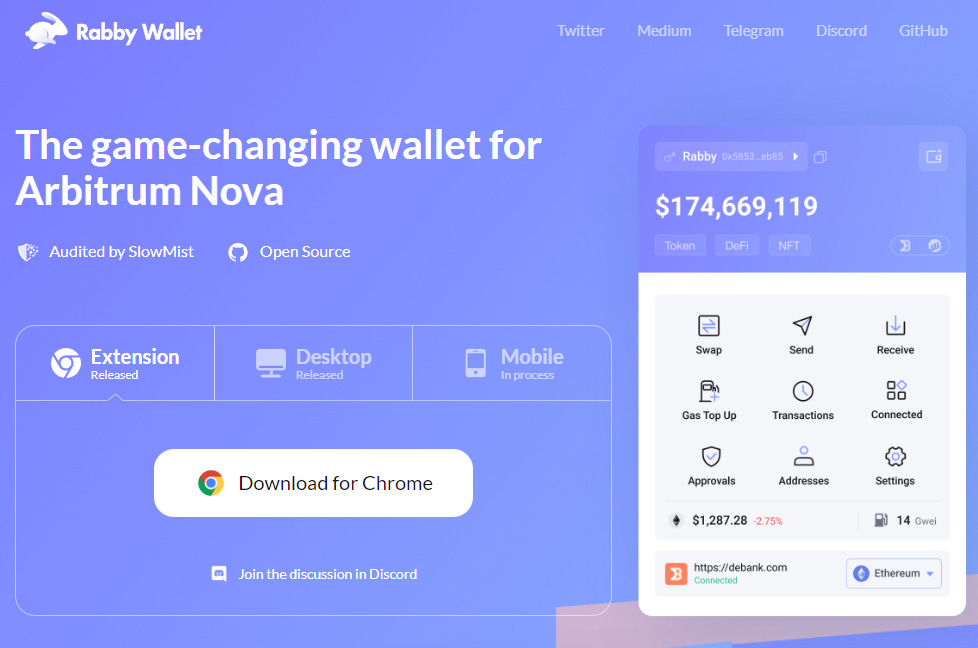
Okay, so check this out—one of the wallets I now recommend in casual chats is rabby wallet. Seriously?
Yes—Rabby focuses on session separation, transaction previews, and permission management in ways that make day‑to‑day DeFi safer. On one hand that solves many UX pain points, though actually it also introduces some learning curve for users first coming from simpler wallets.
My hands‑on testing showed faster confirmations and fewer mistaken approvals when the extension clearly separated chains and dapps.
Here’s another observation—big is not always bad, and small is not always safe. Some lightweight wallets hide advanced options and that can be good for newbies. But when you start bridging assets, composing multisig transactions, or interacting with exotic contracts, you need transparency.
Transparency means readable data. Wow! Show me the gas fee breakdown. Show me the contract address. Let me verify function calls before I hit confirm.
Rabby’s UI highlights those bits. I’m not claiming perfection. Actually, wait—there were moments where prompts were terse and I wanted more context, especially with unfamiliar tokens.
On the plus side, the wallet supports customizable settings so you can tune confirmations and safety checks to your tolerance level. That flexibility is huge for power users and confusing for people who want a single “easy” toggle.
Security is the core tradeoff. Shortcuts cost you later. Seriously.
One of the recurring problems I saw was dapps requesting broad permissions and users blindly approving them. Hmm… not great.
Good multi‑chain wallets now offer finer permission controls, letting you restrict approvals to a set amount or scope rather than granting infinite allowance. That reduces blast radius if a dapp is later compromised.
On one hand developers love UX flows that reduce friction; on the other hand those flows can make users very vulnerable—so the best wallets try to balance both.
I should be upfront about limitations. I’m not 100% sure every multi‑chain feature is bulletproof. There are edge cases. Wallet extensions run in the browser environment, and that environment can be targeted by clever attackers.
So what’s realistic risk management? Use hardware wallets for large holdings. Use the extension for active trading and smaller amounts. Mix strategies. I’m biased toward defense in depth.
Also, backup your seed phrase properly. Wow! Don’t store it as a screenshot on your phone—even if you’re in a hurry. People do very very dumb things under pressure.
Another tip: test new dapps with a small transaction first. If something smells off, pause and investigate.
Now for practical setup advice.
First, create a dedicated browser profile just for crypto. Keep other browsing separate. Really.
Second, pin the extension and lock it when idle. Third, review permissions after every major session. My habit is to revoke approvals I no longer need every week or two.
Fourth, if you plan to bridge tokens frequently, enable transaction previews and compare expected fees to actual gas before confirming—bridges sometimes add hidden steps that you won’t notice unless you look closely.
One little anecdote—(oh, and by the way…) I once nearly approved a contract that looked identical to a legit dapp but had a subtly different contract address. I almost signed. My heart raced. Then the UI helper flagged a mismatched checksum and I stopped. That small guard saved me thousands. Little features matter.
On the policy side, many wallets are moving toward modular security: optional multisig, hardware wallet integration, and policy engines that can auto‑block suspicious transactions. These are promising directions that I want to see more widely adopted.
To be clear though, user education can’t be outsourced to UI alone. People still click fast when markets move, and that is risk one thousands of anti‑phishing controls must assume.
FAQ
Is a multi‑chain browser wallet safe for everyday use?
Generally yes, if you use best practices: segregate accounts, lock the extension, use hardware wallets for large holdings, and verify transaction details before confirming. Multi‑chain convenience shouldn’t replace cautious habits.
What makes rabby wallet different from other extensions?
It emphasizes permission controls, clear transaction previews, and chain separation—features that reduce accidental approvals and confusing cross‑chain transactions. It’s not magic, but it reduces common user errors.
Should I store everything in one wallet?
No. Split assets by purpose: long‑term cold storage, active trading accounts, and small balances for experimenting. Diversify your security posture like you would diversify investments.
